Let's look at some FAQ-s about the problems we treat
Why should you treat your dental problems?
Small problems can quickly turn into major dental damage. Early treatment avoids pain, infections, and tooth loss.

Healthy teeth and gums maintain your natural smile and help you chew, speak, and live comfortably.

Oral infections can affect your heart, digestion, and immune system. Good dental health supports total wellness.
Prompt treatment prevents severe toothaches, sensitivity, and discomfort caused by cavities or decay.

Preventive care and early treatments are always more affordable than emergency or surgical procedures later.

Healthy teeth help you feel confident in your smile and improve self-esteem in social and professional life.
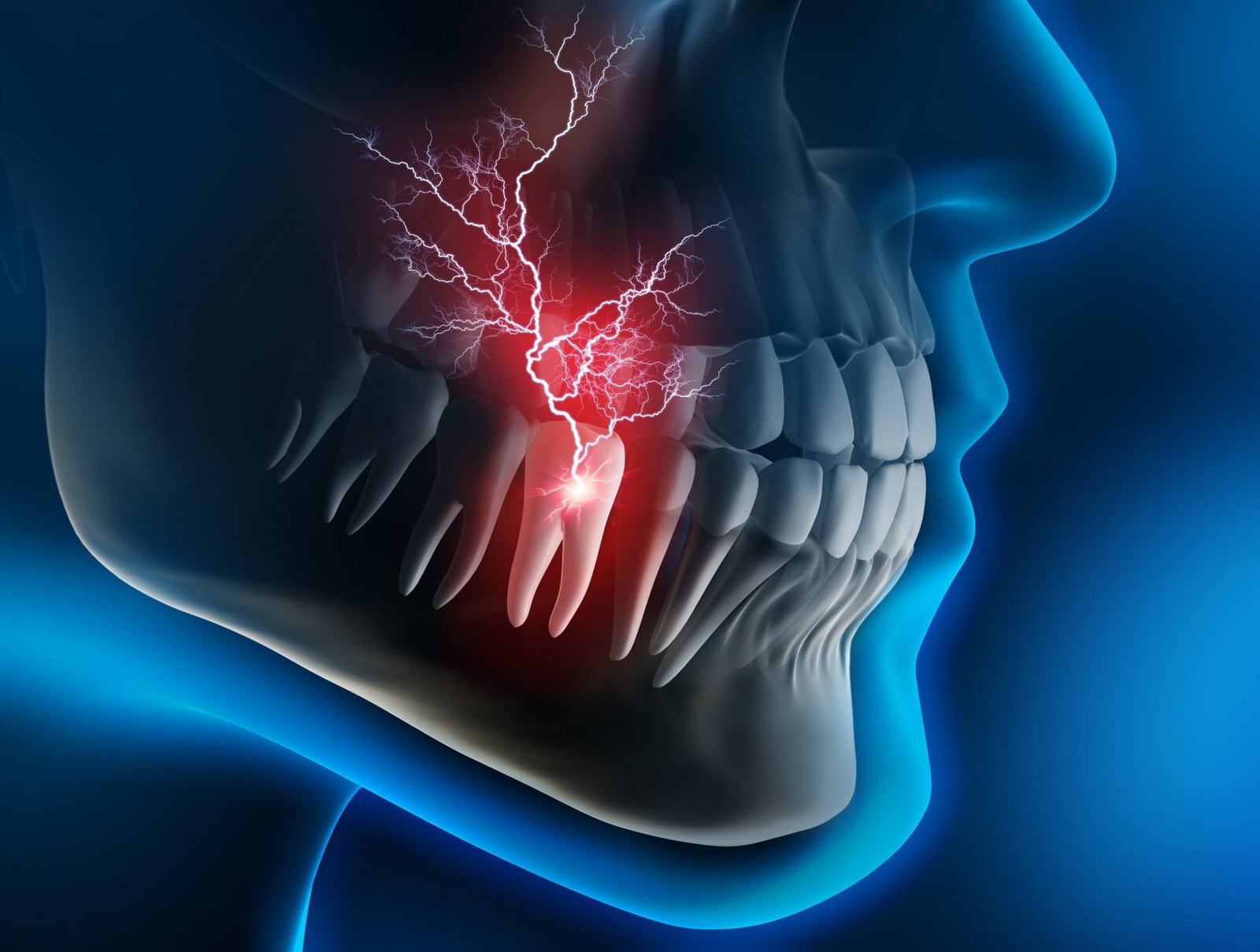
A toothache is pain that occurs in or around a tooth, usually caused by inflammation or infection in the tooth’s inner layer (the pulp). This pain can range from mild sensitivity to severe, throbbing pain that radiates to the jaw, ear, or head. Common causes include deep decay, cracked teeth, gum disease, or infection spreading to the root.
Prompt treatment is essential. If left untreated, tooth infections can lead to swelling, abscesses, and serious complications.
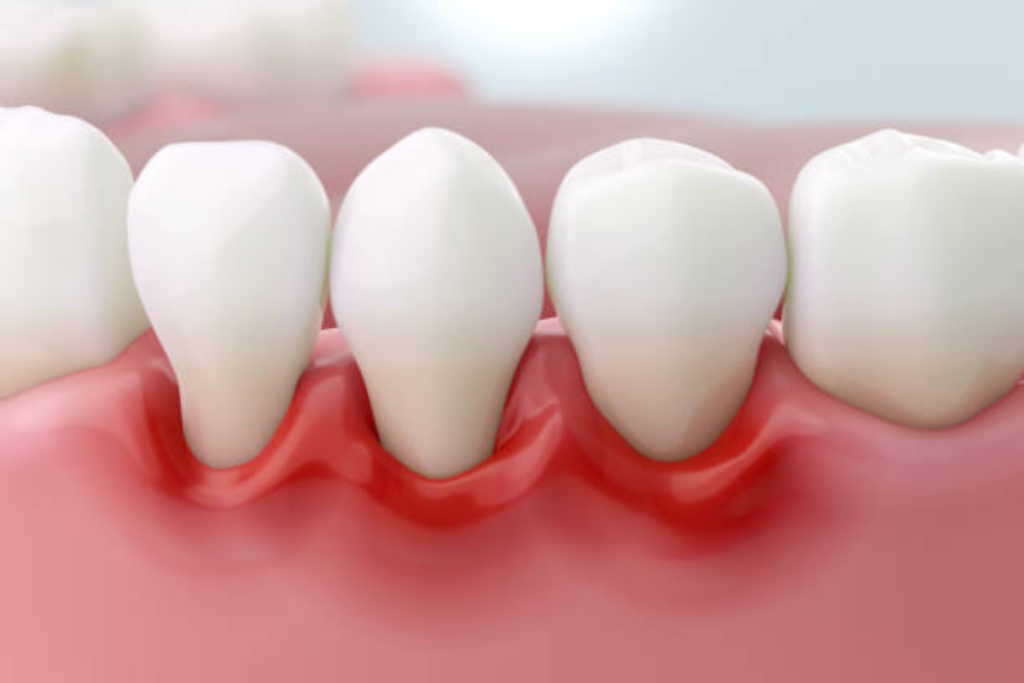
Gum disease, also known as periodontal disease, is an infection of the tissues that support your teeth. It begins when plaque builds up along the gumline, causing inflammation, bleeding, and irritation.
If untreated, gum disease can progress into periodontitis, where the bone supporting the teeth starts to break down. This can lead to loose teeth, receding gums, chronic bad breath, and eventually tooth loss.
Early detection and treatment help stop the disease and protect your overall oral health.
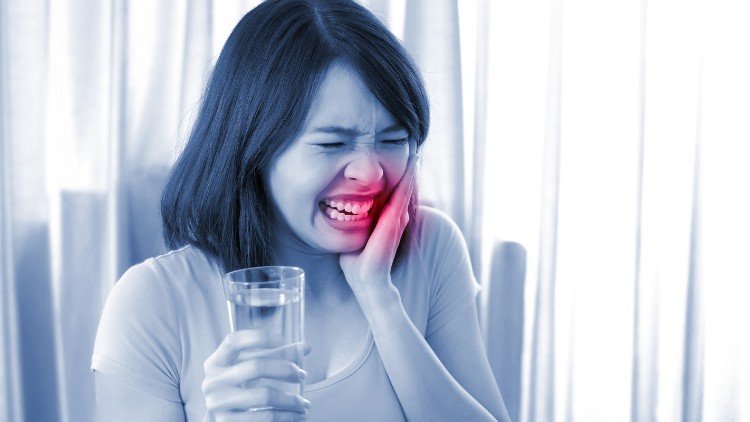
Tooth sensitivity occurs when the protective enamel layer becomes thin or when the gums recede, exposing the underlying dentin. This allows heat, cold, sweetness, or pressure to reach the nerves inside the tooth, causing sharp, sudden discomfort.
Common causes include enamel erosion, aggressive brushing, gum disease, cracked teeth, or whitening sensitivity. In many cases, sensitivity indicates a deeper issue that needs dental attention.
With proper treatment, most cases of tooth sensitivity can be relieved and prevented from worsening.
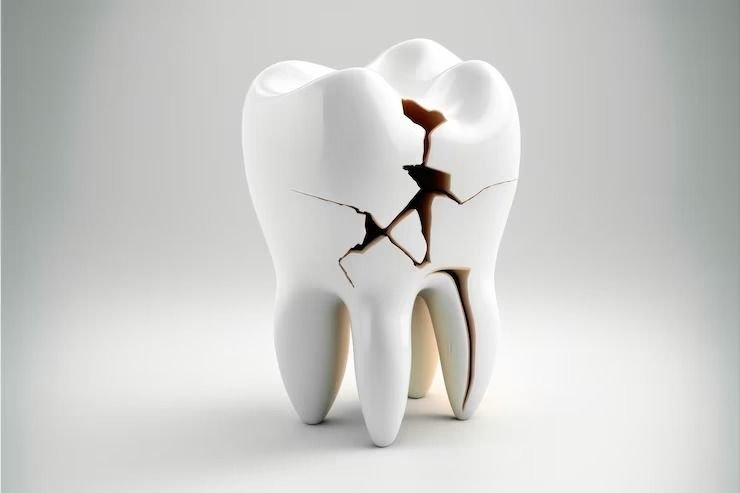
A broken or fractured tooth happens when part of the tooth structure cracks, chips, or completely breaks due to trauma, biting something hard, decay, or weakened enamel. The damage can range from a small cosmetic chip to a deep fracture that exposes the inner nerve.
Broken teeth often cause sharp pain when biting, sensitivity to cold or heat, and irritation of the tongue or cheek. If the crack reaches the pulp, it may lead to infection and require urgent treatment.
Early evaluation helps prevent further damage and allows your dentist to restore the tooth with bonding, crowns, or other treatments.